
Eco-Marine and Freshwater Institute (EMFRI)
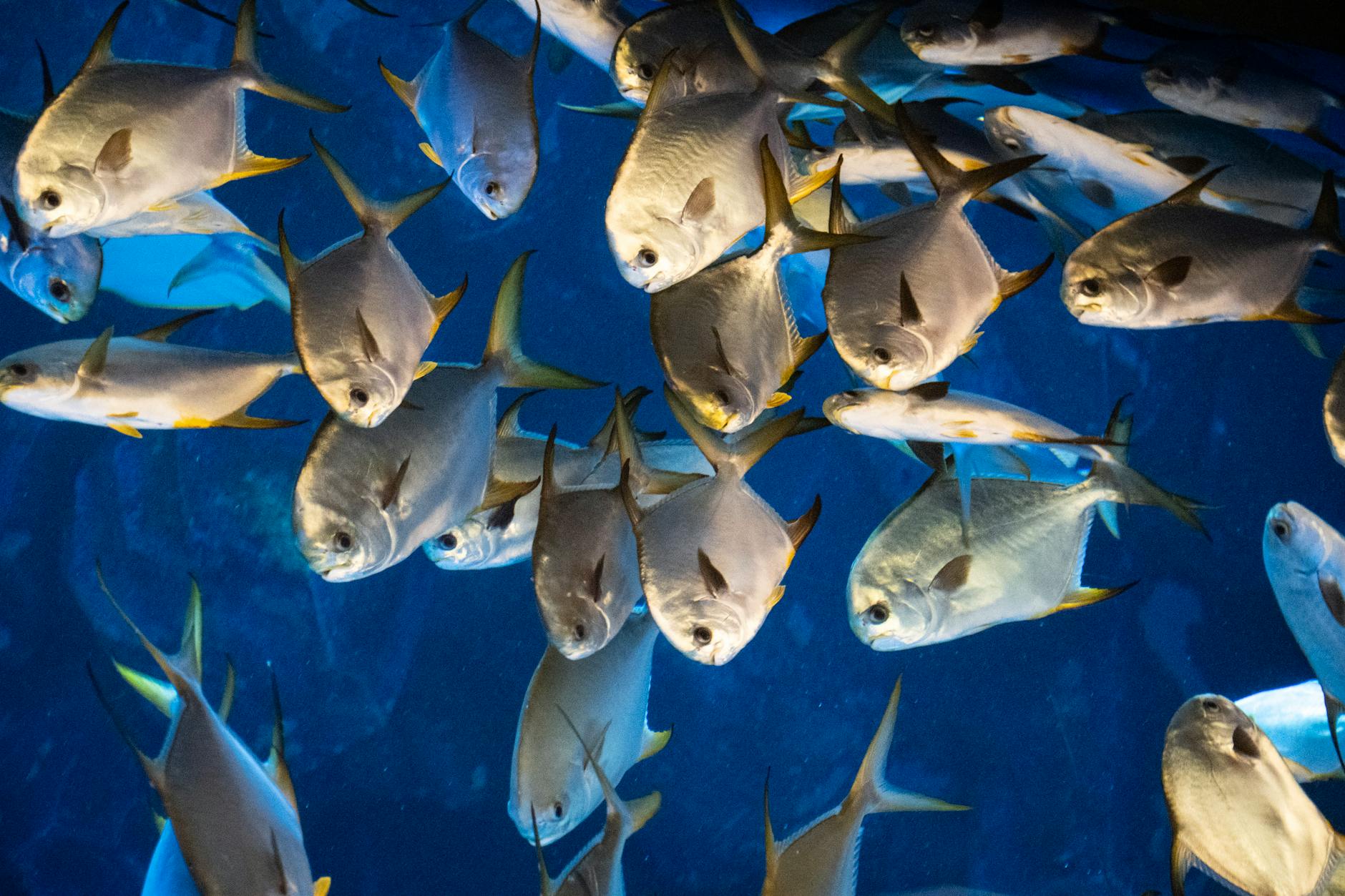
The Eco-Marine and Freshwater Research Institute (EMFRI) is a leading research organization dedicated to understanding and preserving the diverse ecosystems of marine and freshwater environments.
Our Principles
Located at the intersection of environmental science and conservation, EMFRI focuses on the sustainable management of aquatic resources, protecting biodiversity, and fostering innovative solutions to combat the challenges faced by aquatic ecosystems globally.
Vision
A world where aquatic ecosystems thrive in harmony with human development, where research and sustainable practices contribute to the longevity and biodiversity of oceans, rivers, lakes, and wetlands.

Mission
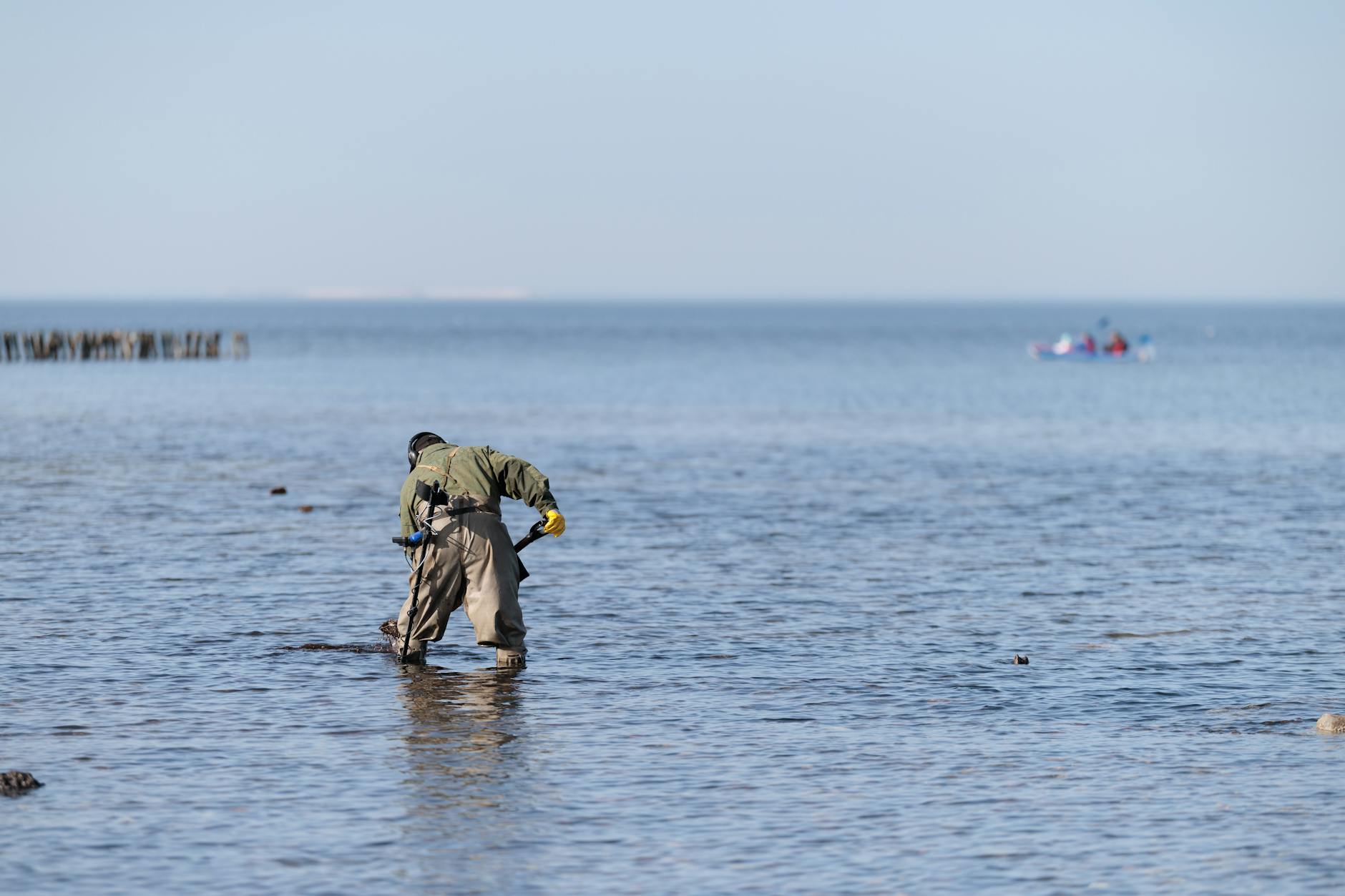
- To advance scientific research, provide education, and implement sustainable management strategies that promote the health and resilience of marine and freshwater ecosystems.
- Our work bridges the gap between cutting-edge research and practical conservation efforts aimed at preserving the ecological balance of aquatic habitats.
Core Areas
Our research fields focuses on:

Marine Ecosystem Health
- Studying the impact of climate change, pollution, and overfishing on marine species and habitats.
- Developing strategies for restoring coral reefs, mangroves, and seagrass meadows.
- Research on the impact of plastic pollution and microplastics on marine organisms.

Freshwater System Conservation
- Assessing the health of freshwater bodies like rivers, lakes, and wetlands.
- Examining the effects of water scarcity, pollution, and invasive species on freshwater biodiversity.
- Promoting conservation strategies for aquatic plants, amphibians, and fish species.
Sustainable Fisheries and Aquaculture
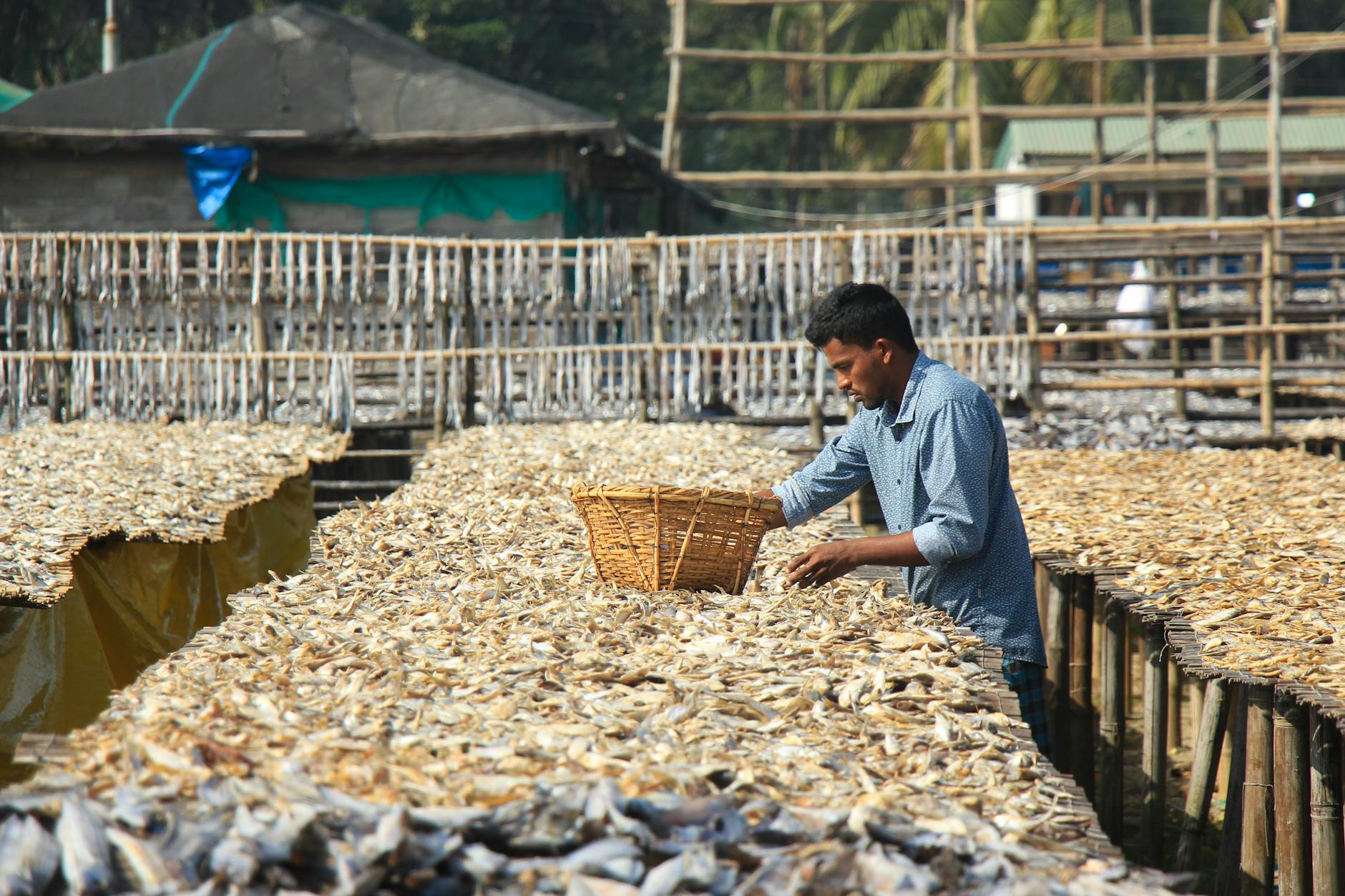
- Research into sustainable fishing practices and sustainable aquaculture techniques.
- Evaluating the economic and environmental impact of fish farming and wild fisheries.

Climate Change and Impact
- Studying the effects of changing temperatures, rising sea levels, and altered precipitation patterns on freshwater and marine ecosystems.
- Identifying adaptive strategies to mitigate climate-related risks to aquatic environments.